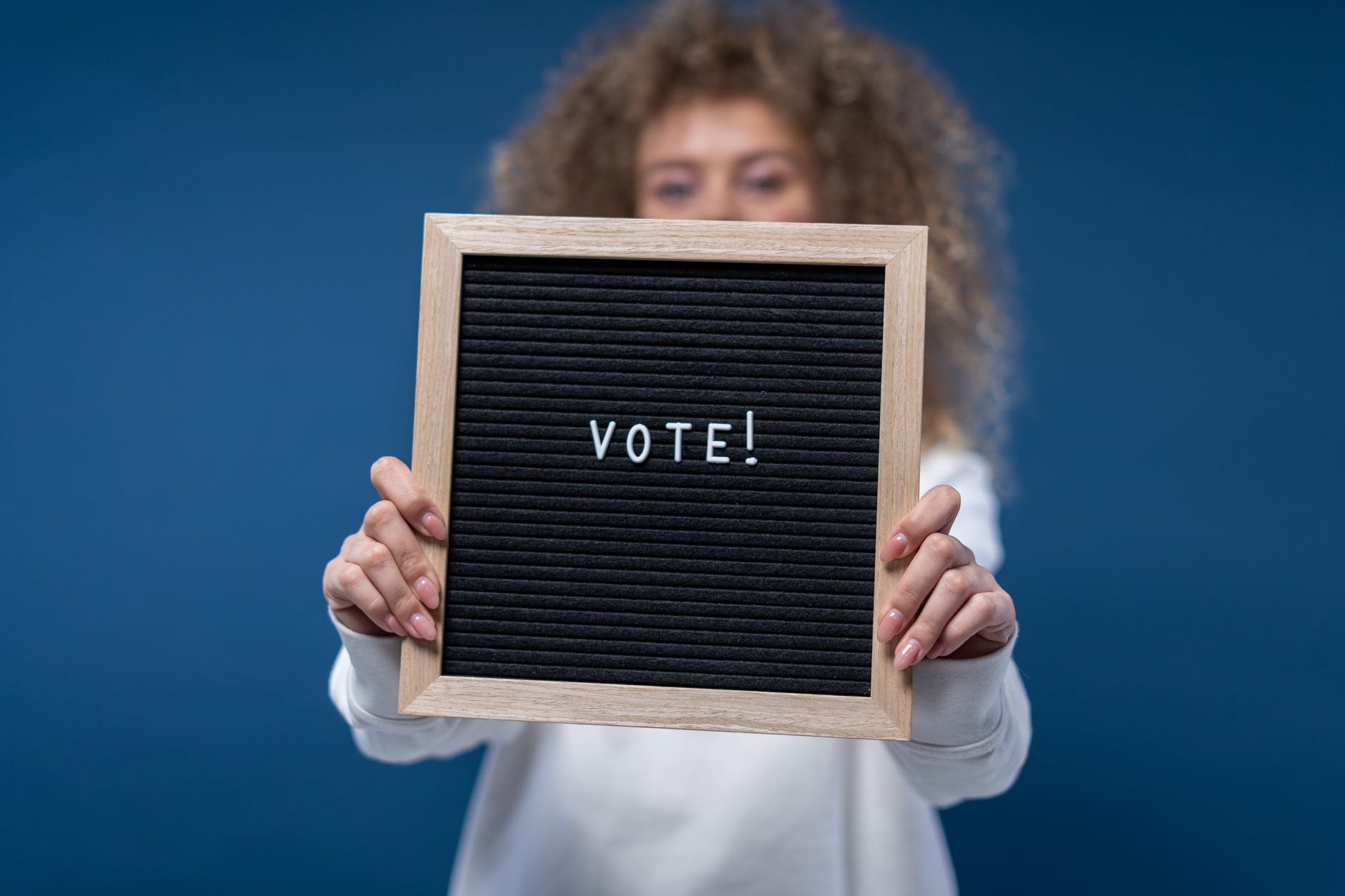
In 2022, when the Supreme Court overturned Roe v. Wade, many of us saw it coming. The leaked decision made it clear what was ahead. But when the ruling actually came down, it still felt like a gut punch. Nearly 50 years of precedent vanished in a moment, and the ripple effects are still shaping America in 2025.
Today, abortion access depends on where you live. Some states, like Illinois and California, continue to protect reproductive healthcare. Others, like Texas, Alabama, and Missouri, enforce strict bans that force people to travel hundreds of miles — if they can afford to. It’s created a system where your basic rights depend entirely on your zip code.
It’s natural to feel frustrated, angry, or even hopeless. But the question we have to ask ourselves is this: what do we do now?
Why Local Elections Matter in a Post-Roe World
Presidential elections dominate the headlines, but local and state elections often matter more. Governors now hold the power to protect or restrict abortion. Attorneys general decide whether to prosecute patients and doctors. State legislatures draft laws that can shape reproductive rights, LGBTQ+ protections, and voting access.
Even beyond reproductive healthcare, school boards and county boards are making daily decisions that affect families. From book bans to gender-affirming care, local leaders set policies that impact children, communities, and futures.
If we don’t like who’s making these decisions, we have two options: vote them out or run ourselves. Across the country, ordinary people — teachers, parents, veterans, and organizers — are stepping into politics because they realize what’s at stake. That’s the kind of leadership we need now.
Lessons From History: The Supreme Court Isn’t the Final Word
It’s easy to believe democracy has never been this broken. The Supreme Court feels extreme. Congress is deadlocked. But history tells us we’ve been here before.
- In Dred Scott v. Sandford, the Court declared that Black people weren’t citizens.
- During World War II, it upheld the internment of Japanese Americans.
- In the 1800s, political violence on the Senate floor was a grim reality.
The difference today is that we see everything unfold in real time — shared, tweeted, and livestreamed. That visibility gives us power, if we choose to use it.
Bad rulings don’t last forever. They get challenged, overturned, and dismantled because people organize, fight back, and refuse to give up.
Action Steps for 2025
So, what can we do right now to protect reproductive rights and strengthen democracy?
- Register and Vote in Every Election
Voter turnout is still too low, especially in local races. Check your registration, update it if necessary, and help your friends and neighbors do the same. States like Michigan, Ohio, and Kansas have already shown that ballot initiatives can protect abortion rights when legislatures won’t. - Support Ballot Measures
In 2024, Florida voters pushed through a ballot initiative on reproductive rights despite a hostile legislature. Ballot measures work — but only if voters collect signatures, spread awareness, and show up. - Volunteer Locally
Have a car? Drive people to the polls on Election Day. Have organizing skills? Start or join a voter registration drive. Campaigns need door-knockers, phone bankers, and social media support. - Stay Engaged Beyond Election Day
Voting is just the beginning. Attend city council meetings. Call or email your representatives. Donate to organizations that provide direct support to people seeking abortion care.
Why There’s Still Hope
It’s tempting to think the system is too broken to fix. But history shows that meaningful change always comes from ordinary people, not politicians alone.
- The Civil Rights Movement dismantled segregation, not the Supreme Court on its own.
- Marriage equality came after decades of activism and cultural change.
- Voters in states like Kentucky and Kansas have already rejected abortion bans.
Change is possible when people get involved, stay persistent, and refuse to accept injustice as the status quo.
Moving Forward Together
The question isn’t whether this fight will be hard — it will. The real question is whether we’re willing to channel our grief and anger into collective action.
That means voting in every election. It means amplifying grassroots organizations. It means connecting with each other, sharing resources, and refusing to let despair win.
I want to hear from you: Who’s doing the work in your community? Which organizations deserve more attention? Let’s use this platform to lift them up.
The fight isn’t over — and neither are we.